


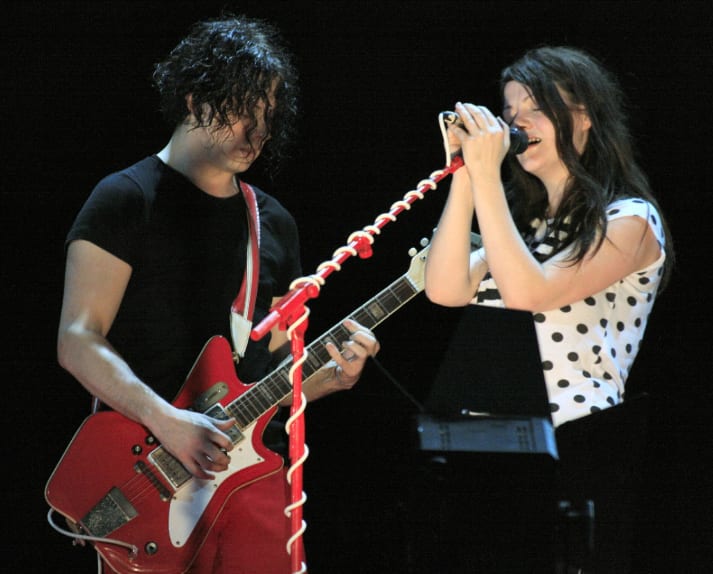
Any avid concertgoer has most likely experienced, at least once, that inner blood-boiling sensation whilst a flailing phone impedes their otherwise perfect view. In order to combat this, since 2018 rock megastar Jack White has implemented a ban on phones at his shows for a “100% human experience”; he argued to NME in 2018 that: “people can’t even clap any more, because they’ve got a fucking texting thing in their fucking hand, and probably a drink, too!”
White furtively argues his stance that if someone is using a recording device during a live show, they cannot be enjoying the experience to its full potential. Not only is it personal, but he also argues that it is selfish, with people towering above others for almost the entire show to grab that ‘Instagram-perfect’ shot. He adds that phones change the entire energy of the room: “Some musicians don’t care about this stuff, but I let the crowd tell me what to do. There’s no setlist. I’m not just saying the same things I said in Cleveland last night. If they can’t give me that energy back? Maybe I’m just wasting my time.”
Almost ten years later, White continues this ban. Seeing him at the Eventim Apollo on the 26th of August, my phone was taken from me on arrival and placed into a Yonder pouch. This pouch was then given back to me for safekeeping during the gig. The pouches were able to be opened by bartenders when purchasing a drink or merchandise, and there were special zones in which you could have your phone released in case of emergency.
Personally, I was, and am still, rather cynical about the phone ban. It made me nervous that I could not check on what was going on with my friends and family; I couldn’t check my travel arrangements, and I couldn’t recharge my phone for the journey home. Most importantly, I was unsettled by the fact that I would come away from the gig with no videos. Having idolised The White Stripes and Jack White since childhood, all I have from finally seeing the man himself is hazy memories. In reality, it is true that I would have rarely rewatched these videos, but I definitely would have loved to reminisce on the opening note of Fell in Love with a Girl. Although I instead have perhaps a more precious memory of my dad and my shocked excitement and maddened dancing. I suppose in actuality that is what live shows are about: dancing and connection.
White tore through an epic setlist in his signature unrelenting style, constantly flaunting his inexorably deft guitar skills. Elation soared through the crowd as The White Stripes classics such as We Are Going to Be Friends, Icky Thump and Hypnotise sounded out, with each and every member of the audience’s eyes glued to the stage. The rocker also included deep cuts from his vast archive, including tracks from his previous band The Raconteurs and solo material, which galvanised the crowd and proved that his projects have not just been vanity jam sessions.
The room felt unified in its exuberant energy, sharing a live connection with the artist instead of remaining as hundreds of isolated documentarians. In wanting my phone, I seemed to be the odd one out in a sea of Generation X concertgoers; speaking to the people around me, they all seemed grateful that they were provided a better view and less distraction. This still hasn’t swayed my Generation Z self fully. Perhaps righteously or maybe stubbornly, I would argue that after paying £75 for a ticket, I should be afforded my rights to use my phone and capture my very expensive experience. White combats this complaint, however, by arguing that the terms are visible at the ticket purchase point and his concerts have been this way for almost a decade. Perhaps my opinion is rather unpopular.
Interestingly, no phone shows are on the rise; the most recently notable string of shows with no recording devices is The Lost Tour with Phoebe Bridgers. Bridgers argues that the absence of phones aids her own anxiety with performing deeply personal and painful music; she also contends that this adds to the intimacy of the experience and that without phones, there is no outside interference.
Bridgers argues that the absence of phones aids her own anxiety about performing deeply personal and painful music; she also contends that this adds to the intimacy of the experience and that without phones, there is no outside interference.
This touching idea has received backlash, as Julia Yakirevich argues in the Yale News; this makes the concert exclusionary for those fans who either physically or financially cannot attend, which, due to the price of her tickets, is the majority of her fans. As we have seen with Taylor Swift’s Eras Tour and Sabrina Carpenter’s Soft and Sweet Tour, tour-based social-media content has become a legitimate form of alternative attendance.
Music is beautiful in that the live experience is different for everyone, whether its screaming and dancing to the best of your ability, closing your eyes and absorbing the music via sonorous osmosis or watching through a screen. The ephemerality should be treasured in that live moment, but I believe it to be a true gift to be able to capture those precious-memories.

