

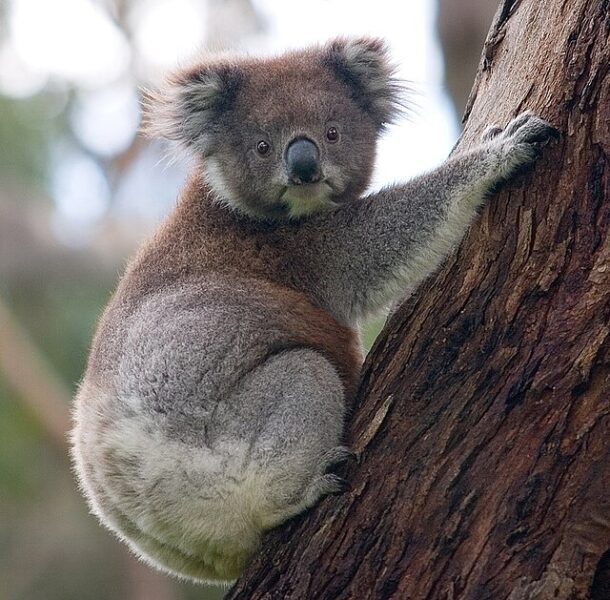
In early 2022, the Australian government officially listed koalas as an endangered species due to severe damage to their natural habitat and an alarming loss of numbers. As a result, the states of Queensland, New South Wales and the Australian Capital Territory created a national koala recovery plan, listing koalas as ‘endangered’ in the Environment Protection and Biodiversity Conservation Act, which led to higher scrutiny on the impacts of mining and housing projects on koala habitats. Beyond the threat of deforestation, koala populations have also suffered from droughts, bushfires and the spread of chlamydia.
Despite the creation of this recovery plan, little to no action has been taken to implement unwavering protection of koala habitats. The Guardian outlined the state’s environmental legislation shortcomings, by highlighting that “more clearing of koala habitat has been approved under Australia’s nature laws in 2025 so far than in any other year since the marsupial was listed as a threatened species”.
Despite the creation of this recovery plan, little to no action has been taken to implement unwavering protection of koala habitats.
The Australian Conservation Foundation also recently discovered that 2,295,134 hectares of bushland believed to be koala habitat was destroyed between 2011 and 2023 as the species moved from vulnerable to endangered status. Just over 390,000 ha was lost in New South Wales due to native forest logging.
ACF nature campaigner Darcie Carruthers denounced this lack of implementation of government-issued protection by stating that nature laws were ‘poorly enforced’ and that the overhaul to the EPBC act “must set clear rules to protect habitat for threatened species like the koala, close loopholes that enable rogue bulldozers and establish an independent watchdog to enforce the law”.
While past laws have led to a bleak status for the koala population, there have been some recent triumphs. Earlier in September, the Chris Minns government announced the creation of a great koala national park, increasing existing forest reserves by 176,000 hectares which is projected to protect over 12,000 koalas. The park’s boundaries will mark an area temporarily prohibiting logging while the legislation to establish the park is drafted. While this will threaten jobs in the short term, the park is predicted to be a prime tourism destination that the government expects will generate an additional $163m for the state’s economy.
