
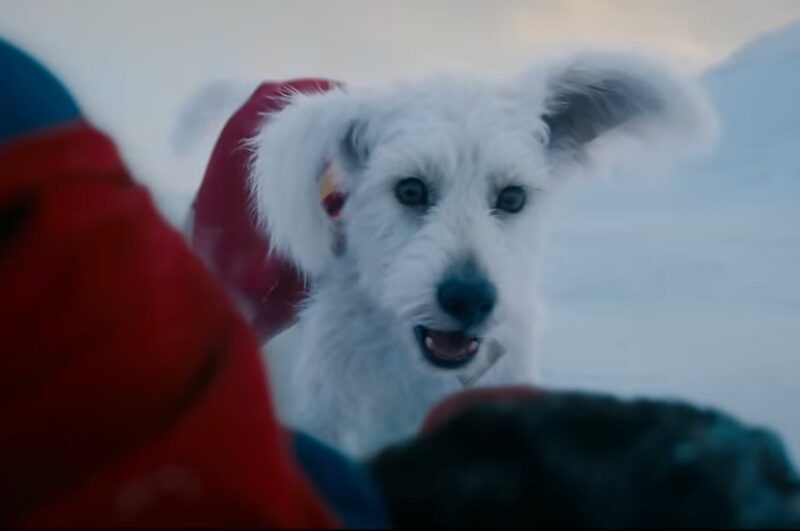
Good Boy is a newly released independent horror film that offers a fresh and exciting twist in the genre by showing the film from the viewpoint of a dog named Indy. Following its commercial success and praise for Indy’s performance there has been a public outcry for animals to have their own Oscar category. While jovial in nature, it raises interesting questions about the continuing legacy of animals in film and the potential implications on their welfare.
Indy is not the first dog to grace the red carpet with Messi the Border Collie, the star from Anatomy of a Fall, attending the Oscars dawning a sophisticated bow tie whilst applauding Robert Downey Jr on his Oscar win.
However, the involvement of more animals on screen poses serious ethical considerations about animal protection and welfare on set. In both the past and present, Hollywood has an unfortunate legacy of animal exploitation and abuse on set, with animals being put in cruel and unsafe working conditions due to the prioritisation of profit over safety. This serves as a potent reminder that behind the glamour and fun of working with animals, it also comes with a grave responsibility on filmmakers to ensure animal welfare is always maintained to the highest standards.
So, how can companies ensure a positive legacy for the work of animals in film for the future? One of the main suggestions has been for directors to cast their own pets in the role, with this being the only form of nepo-babies I can get behind! Director of Good Boy, Ben Leonburg, has been a shining example of this, using his own dog Indy as the lead role and prolonging filming by three years to reduce distractions and make the environment as stress free for him as possible. Moreover, this method comes with its own set of hidden advantages, with Leonburg often using deceitful tactics like pretending to have a treat to elicit a much-needed head tilt from the star!
Another step towards fostering a brighter future was taken by James Gunn in Superman, with him using his chaotic rescue dog Ozu’s antics as inspiration for the furry crime fighting hero, Krypto. Following the film’s success, Krypto and Ozu became an overnight sensation with google searches of how to adopt a dog reportedly rising by 513% according to The Independent. This growth in public awareness shows the beneficial impact that the work of animals in film can have with it shifting the narrative to one of promotion of animal rights.
As such, the future legacy of our furry friends seems hopeful with filmmakers’ continued efforts ensuring that animals can continue to work but in a safe manner.
