
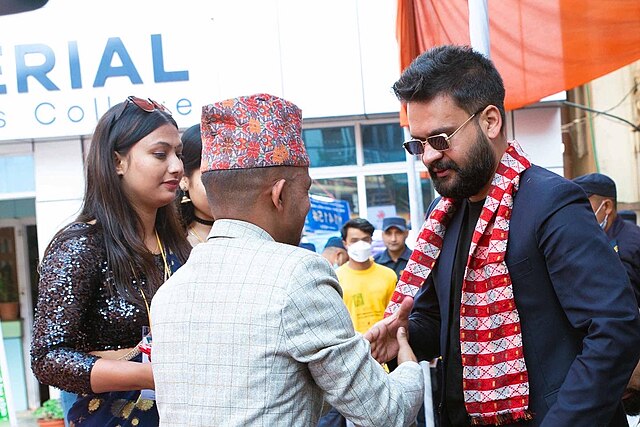
In late December 2025, Nepal witnessed an improbable political merger: former TV host Rabi Lamichhane and ex-rapper turned Kathmandu mayor Balendra “Balen” Shah joined forces under the Rastriya Swatantra Party (RSP) banner ahead of March 2026 elections. The alliance emerged from the ashes of September’s devastating youth uprising, which left at least 73 dead and forced Prime Minister K.P. Sharma Oli’s resignation. But can this celebrity-driven coalition deliver on the demands that drove thousands of young Nepalis to set parliament buildings ablaze?
The alliance faces serious credibility gaps.
The Gen Z protests were triggered by a social media ban but fuelled by deeper grievances of endemic corruption, youth unemployment exceeding 20%, nepotism among political elites, and an economy dependent on remittances for one-third of its GDP. Protesters demanded transparency, accountability, and an end to the impunity enjoyed by Nepal’s ruling class. Their seven-point agreement pledges to honor these martyrs and transform Nepal into a middle-income country within ten years through “deep policy, institutional, and structural reforms.”
Yet the alliance faces serious credibility gaps. Lamichhane himself spent nine months in custody on cooperative fraud charges—released on bail just weeks before the merger— undercutting his anti-corruption credentials. Meanwhile, Shah’s mayoral tenure, though popular among urban professionals, has been marked by an erratic social media presence, including deleted posts urging that government buildings be burned and using profanity against major world powers.
This celebrity alliance risks becoming another iteration of Nepal’s turbulent politics—charismatic faces promising change while delivering more of the same.
More fundamentally, critics argue the alliance prioritizes power distribution over policy substance. The seven-point deal meticulously divides leadership roles—Lamichhane as party chair, Shah as prime ministerial candidate—but offers few concrete solutions to youth unemployment, corruption, or economic stagnation. Political analyst Shree Krishna Aniruddha Gautam notes the RSP has placed “greater emphasis on leadership figures than on clearly articulated policies,” echoing global populist trends.
Protesters themselves remain skeptical. Those who lost limbs in September’s violence have returned to the streets, frustrated that promised anti-corruption investigations have yielded minimal results and that politicians accused during protests are preparing to contest elections. Nepal needs transformative policies addressing structural inequality and accountability mechanisms to prevent elite impunity. Without that, this celebrity alliance risks becoming another iteration of Nepal’s turbulent politics—charismatic faces promising change while delivering more of the same.
