


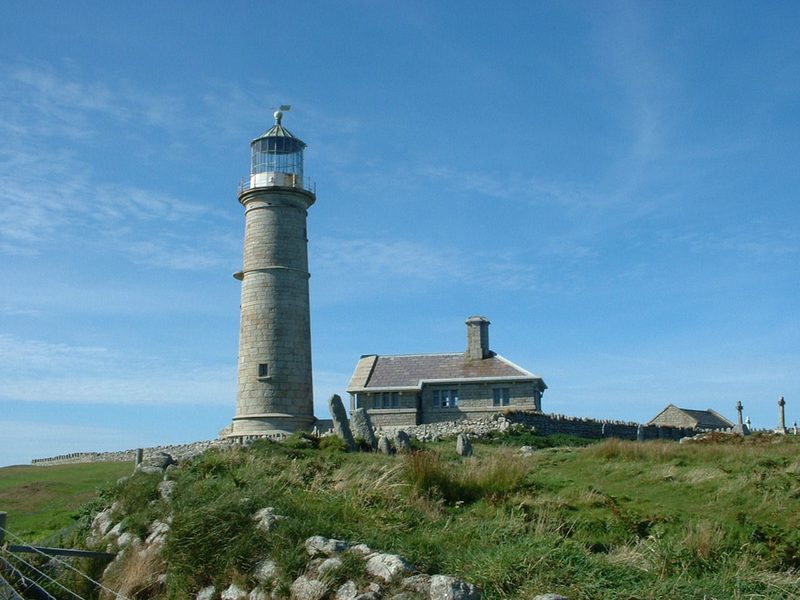
With no significant rainfall since April this year, Lundy Island is pumping water from its wildlife ponds to be used for human consumption. This last resort follows months of dry weather and highlights the ever pressing question of why exactly Britain’s only desalination plant, Thames Gateway, has remained inactive through one of the country’s driest years.
Lundy Island, a small island in the Bristol channel, is also known as Puffin Island for its abundance of the adorable seabird, with almost 400 nesting on the island at any one time during peak season. Accessible only by boat or helicopter the island is also home to just under 30 permanent human residents. The water demand for this community is usually sufficiently met by collecting rainwater or from pumped groundwater, but after one of the hottest years on record and with around 25,000 tourists visiting annually, inhabitants have been left relying on shipments of bottled water to survive.
In a country known for its perpetual rain, we’re still not used to the new reality of living with droughts nearly every summer. Whilst Lundy Island has faced water shortages before, none have been as severe as this. To resort to pumping water out of ponds used by wildlife seems almost like the introduction to a bad, dystopian novel.
Are we really prioritising the water needs of humans (who caused climate change) over the wild animals that have no choice but to live with our ill effects?
As the inhabitants of Lundy question their futures on the island, it’s a concerning thought when we remember Britain itself is an island, albeit a much larger one. Hosepipe bans covered much of the country from early summer onwards, with reservoirs still concerningly low. Although opening in 2010, Thames Gateway desalination plant has only been operational five times in its short history. Even after this record breaking summer, with water levels dropping far below the minimum requirement for the plant to usually kick in, Britain has resorted to taking water from wildlife instead, with the plant apparently requiring repairs.
Hopefully, this past summer will serve as enough of a warning for alternative water sources to be fast-tracked, as our usual reserves continue to diminish year by year. Desalination plants could be the key to ensuring fresh water for all, but first the funding and maintenance of our existing plant need to be prioritised.
