


Beset on both sides by 1994 (bringing us the likes of Pulp Fiction, The Lion King and The Shawshank Redemption) and 1996 (Trainspotting, Scream, Fargo), it would seem 1995 has no chance against the Titanic – pun intended – releases of the mid-90s. Yet this year stands out for its variety of releases from every corner of cinema. Everyone will have their personal favourite year in film, and I will go into why 1995 is mine in that regard, but I also think it stands alone in a more objective way—harbouring films which changed the global media industry forever.
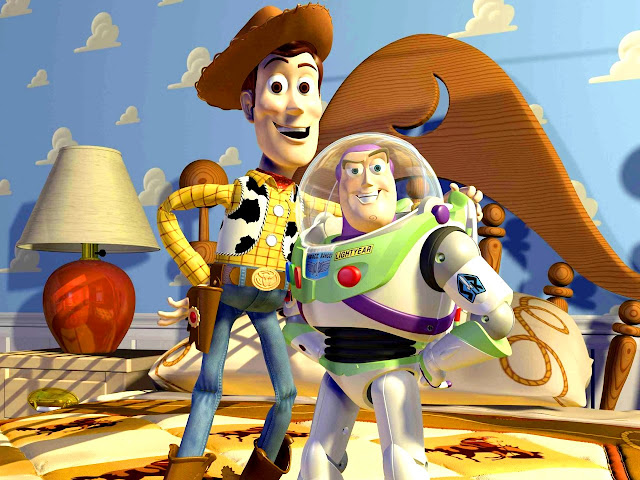
One such film is Toy Story—the first ever computer-generated feature film. Although I wasn’t alive to experience this first hand, I have heard from people in my parents’ generation just how mind-boggling it was to see computer generated effects for the first time. Just like Jurassic Park in 1993, these aspects of moviemaking we now take for granted were once cutting-edge and breathtaking.
For the canon of cinema, 1995 also gave us Fallen Angels, La Haine, Before Sunrise and The Usual Suspects – and major projects by directors like David Fincher (Se7en), Michael Mann (Heat), Martin Scorsese (Casino) and Terry Gilliam (12 Monkeys). For fans of anime, we got hits such as Neon Genesis Evangelion, Ghost in the Shell and Whisper of the Heart, as well as classics for younger audiences like Wallace and Gromit: A Close Shave, Jumanji and Pocahontas.
What shines through the most about 1995 for me personally, however, is the number of incredible Japanese independent films that came out that year. To name a few: Hirokazu Kore-Eda’s Maborosi, Shunji Iwai’s Love Letter, Gakuryu Ishii’s August in the Water and Shinya Tsukamoto’s Tokyo Fist. This era of cinema is one of my personal favourites because of the quiet mastery on show in every single one of these films. They aren’t the flashy blockbusters of Hollywood or the Oscar winning crowd pleasers, yet the talent coming out of Japan at the time was astounding. Following the Japanese new wave of the 1970s and existing within a stagnating economic climate, these filmmakers showcase vibrant directorial styles, such as in the electric Tokyo Fist, and also gentle precision, with films like Maborosi and Love Letter being contemplative, yet atmospheric and emotionally potent masterpieces – a kind of film I have come to think of as closest to my heart.