
To decipher the ‘ultimate’ decade for music would be an extremely arduous and ultimately futile task given that the value of music is completely dependent and unique for each and every listener. However, it is conceivable to weigh up the depth and quality of genres within each era and how much of an impact the decade has sustained. I will be considering music from the 20th century up until modern day.
At the turn of the century, financial influx meant a wave of cultural enrichment, with this came the popularisation of Jazz, effectively the stem for many of the modern genres we enjoy today. Swing and Latin were heavily enjoyed for their rhythm which allowed for dancing and socialising. This continued for the next forty decades with crooners joining the scene in the 1940s.
This vocal style gave way for the 1950s emergence and subsequent domination of ‘Rock ‘N’ Roll’. Born of the blues and funk genre, Rock ‘N’ Roll was performed by artists such as Elvis Presley, Chuck Berry and the incomparable James Brown. This decade signalled the beginning of rebellion in the music world with increasing tempos and political lyrics.
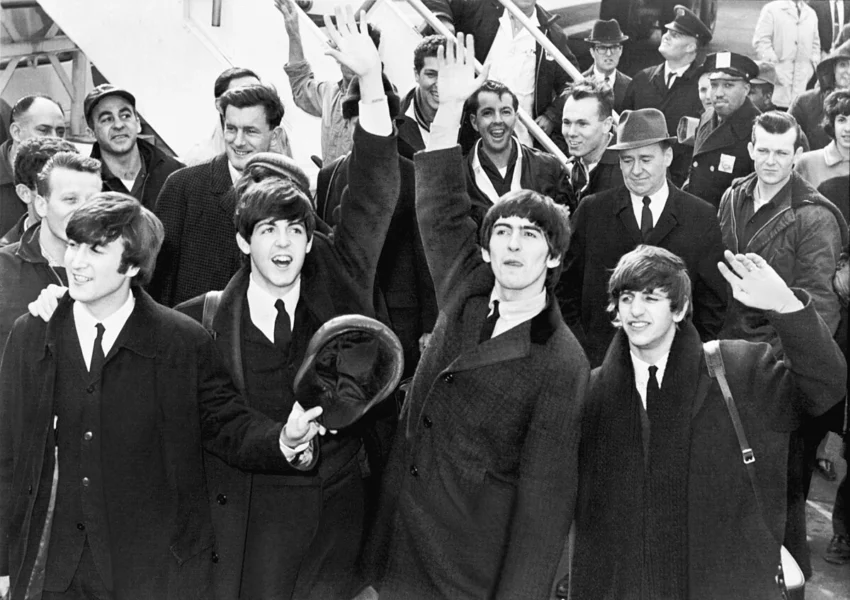
The 1960s is arguably the cornerstone for change within the century; ‘Rock N’ Roll’ boomed. Dubbed the ‘British Invasion’, bands such as ‘The Beatles’ and ‘The Rolling Stones’ battled for top billing. Motown was also created subsequently having a massive, sustained influence on music with artists such as the ‘Jackson Five’, Diana Ross and ‘The Temptations’.
The 1970s continued this, with artists such as ‘Led Zeppelin’ and ‘Fleetwood Mac’. The seventies also introduced Disco and conversely Punk, a genre which didn’t need to be overly produced but preached beliefs and critiques about the governmental state of the world. This led to a wide range of experimentalists and the invention of pop with Elton John and David Bowie.
The 1980s were arguably the most diverse in genres, with the rise of electronica and RnB. Hip Hop was a brand-new genre, utilised by marginalised communities to critique day-to-day life as well as governmental treatment and, poignantly, police brutality. On the other hand, you also had the rise in shiny new pop artists such as Prince, Madonna and Michael Jackson, artists whose legacies remain steadfast.
The 1990s made an almost complete pivot with the emergence of techno and rave culture with artists such as ‘Fatboy Slim’ and ‘The Prodigy’. Pop music continued, eventually taking more of a dire turn towards the ‘girl’ and ‘boy’ group hysteria such as ‘The Spice Girls’ and ‘Take That’. However, this encouraged the new emergence of ‘Indie’ and ‘Britpop’.
The 2000s progressed these genres however, and by the 2010s, with the emergence of social media and streaming, songs became popular due to their catchy hooks rather than their musical quality. Although often jeered, the 20th century could be dubbed the era of liberation, with women and minority groups having more freedom in the music world than ever before.
Overall, whilst finding it hard to remain unbiased, I would argue that the 60s made the most sustained impact on modern music, its intertwining of older genres led to the music we have in the charts today, whilst many of its songs remain on heavy rotation. Although it would be easy to argue each decade’s importance, I truly believe that without the 60s reinvention and brave creativity, the music world would still be stuck far in the past.
