
Iran is an ethnically diverse, mountainous nation in the Southwest of Asia. It is oil rich, arid, and since 1979, has been under the regime of the Islamic republic. Since the Islamic republic was instated in the late 70s, there has been frequent protests for a variety of causes. Women took to the streets in the 80s to oppose mandated hijab wear; students and reformist protests were sporadic in the 90s; and in 2011, when Iranian civilians joined in with the Arab Spring uprising.
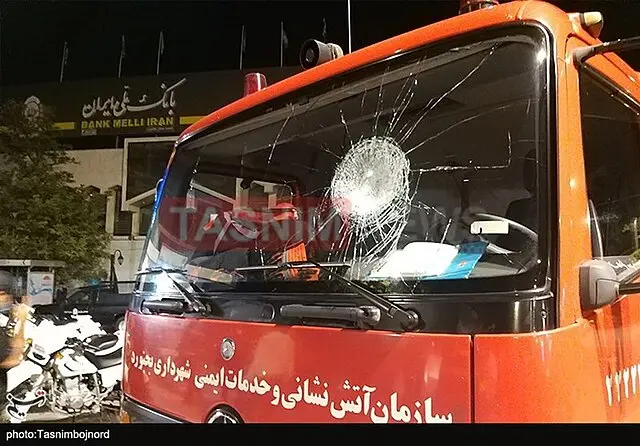
Following the 40% drop in the rial – Iranian currency – shopkeepers took to protesting Iranian authorities, addressing continuous economic instability, on the 28th of December. Throughout this new year, the world has watched as the protests have grown in numbers, with extreme securitisation and violent reactions from Iranian law enforcement, such as the use of live ammunition. Over 3000 have been estimated to have been killed by these authorities, with many peaceful protestors forcibly detained and set to be executed. Additionally, there has been a nationwide internet blackout, with 92 million Iranians experiencing disruptions to their messaging and call services, cut off completely from their internet services, and the prospect of complete digital isolation during this already contentious period.
Ultimately, the protests are calling out for political change in Iran, particularly the country’s Supreme Leader, Ayatollah Ali Khamenei, despite reports stating that any attack on the Ayatollah would lead to a declaration of jihad (Holy War). The protests are considered the biggest challenge against Iranian rulers since the 1979 revolution – an uprising which saw the overthrow of a monarchy, the establishment of the Islamic Republic, and the national expression of Shi’i Islam.
In the wake recent protests, Iranian authorities have come under scrutiny from the US government and have faced vocal criticism from its President. President Trump has condemned Iran’s “dangerous” and “repulsive” behaviour during these protests, and declaring any more killed during protests or executing detained peaceful protesters will trigger US military involvement with Iranian security officials. This exacerbates Iran-US’s “sordid history”, as described by Hampton Think. With the CIA executing their first coup in Iran in 1953, an attack on the US embassy in Tehran in 1979, and more recently, tariffs and sanctions on trading with Iran, there is a level of distrust and a weak relationship between the two nations. In the current climate of Iran, it is likely going to get much worse for their relationship with the superpower US, given Trump’s threat to “wipe them off the face of the earth”. At the moment, with stricter tariffs being declared on countries who continue to trade with Iran, Trump is staying restrained, but if this continues, conflict in the Southwestern Asia region will be certainly more heightened.
A spokesperson from Exeter Students’ Guild said, “The ongoing situation and protests in Iran may be a worrying and distressing time for members of our community. We want to acknowledge how this may be affecting Iranian students and others with families and friends in the region, particularly those here in the UK who may be feeling anxious about loved ones affected by the situation.
You don’t have to go through this alone. Support is available through the University’s Wellbeing andInternational Student teams, as well as the Guild’s Advice Service, PGR support, mitigation guidance and the Multifaith Chaplaincy. If you’re feeling overwhelmed or just need someone to talk to, please reach out. We’re here to listen.”
