


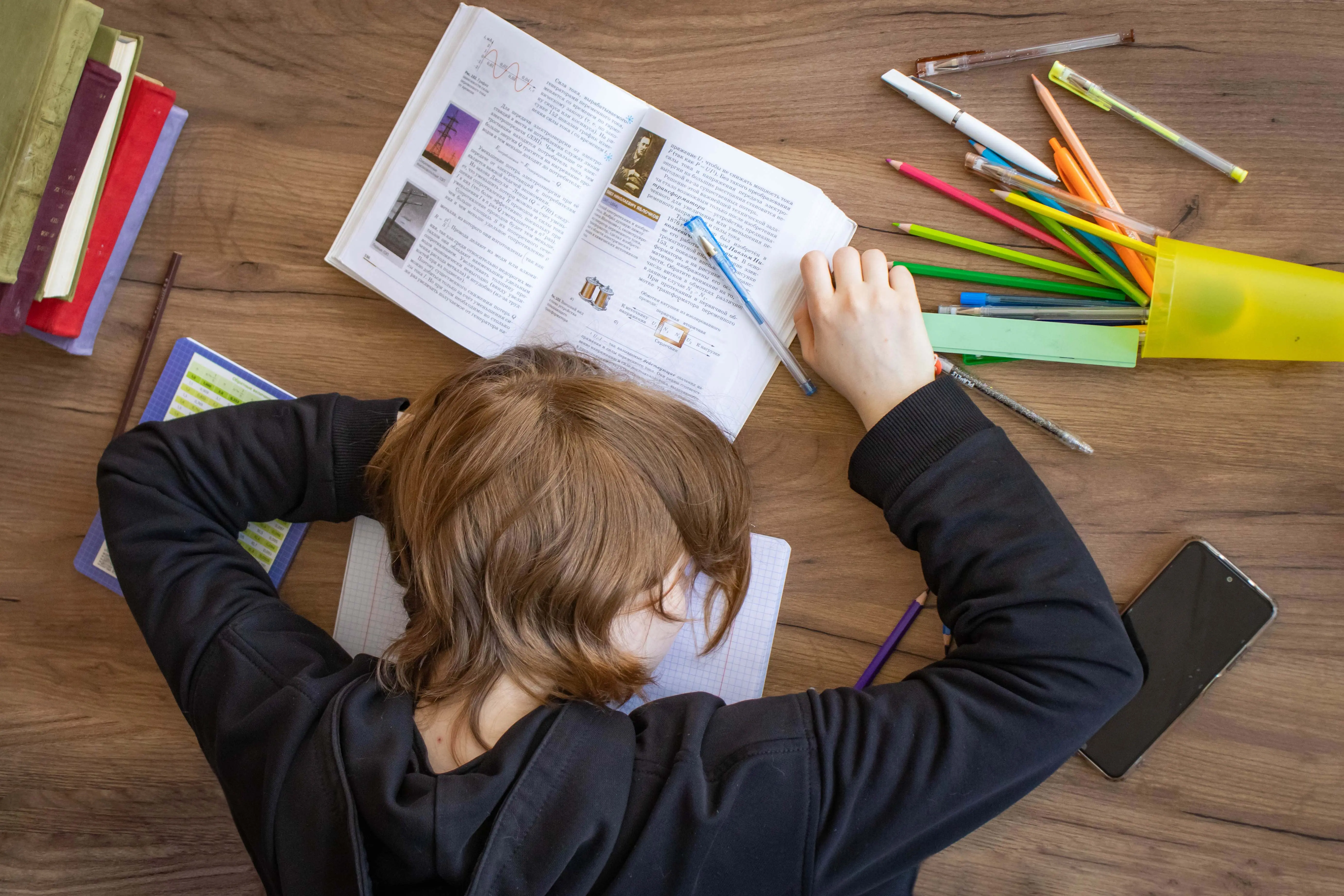
As we spend a third of our lives asleep, it’s no surprise that we have become obsessed with getting it right, from debates over the magic eight hours to the rise of smart devices rating our rest. While chronic sleep deprivation is undeniably harmful, emerging research reveals something surprising: worrying that you slept badly can be more damaging than an actual bad night’s sleep.
Studies show that our perceptions of our sleep are often skewed. In a 2021 experiment, researchers adjusted the clocks, so participants couldn’t tell if they’d had eight or five hours rest. Their guesses were no more accurate than chance, yet these perceptions determined their performance. Reaction times aligned with perceived sleep, not real sleep: those who thought they’d slept longer performed better, even if they hadn’t.
These inaccurate perceptions can materialise into the adoption of “insomnia identity”, where people label themselves as bad sleepers despite having healthy sleep patterns. In A 2017 study, 40% of participants described themselves as insomniacs, even though they didn’t meet criteria for poor sleep. This self-diagnosis might seem harmless, but it had real consequences. This insomnia identity turned out to be a powerful predictor of performance, and was enough to drag down results in cognitive testing. Those who believed they were bad sleepers performed worse than those who didn’t, including individuals who were actually sleep deprived.
This doesn’t dismiss the biological consequences of genuine poor sleep, but it highlights how strongly beliefs can shape cognitive reality. Our brains operate through “predictive perception” meaning they construct a reality based on experiences and belief, rather than objectively responding to the environment. If you believe you slept terribly just because it took a bit longer to get to sleep, your brain can generate feelings of fatigue, distraction and irritability to match, even when you slept enough.
University students are more susceptible to poor sleep quality due to late nights, screen time and caffeine use, and often reinforce their own exhaustion by declaring how tired they are. These complaints frame the brain’s beliefs, and behaviour responds, reducing motivation, memory and attention. With lots of university work centred around self-directed study, simply assuming you’re too tired to work can be enough to reduce productivity.
The good news is that this works both ways. Research suggests around 6 hours of sleep can be enough, easing fears about the catastrophic consequences of a late night. But if a last-minute deadline or night out have kept you up, simply continuing with normal routine and avoiding the automatic “I’m so tired” response in every conversation can stop a night of tossing and turning from derailing your day.
