


(James Ronin via Pixabay)
A recent rise in the popularity of weight-loss drugs such as Ozempic and performance-enhancing hormones like testosterone has revealed that young people are increasingly drawn to pharmacological interventions for body modification. The explosive mainstream growth in the use of these substances for cosmetic and performance-based reasons has been amplified by internet trends, which present the medications as lifestyle drugs, with posts on TikTok tagged with #Ozempic gathering 300 million views in 2023.
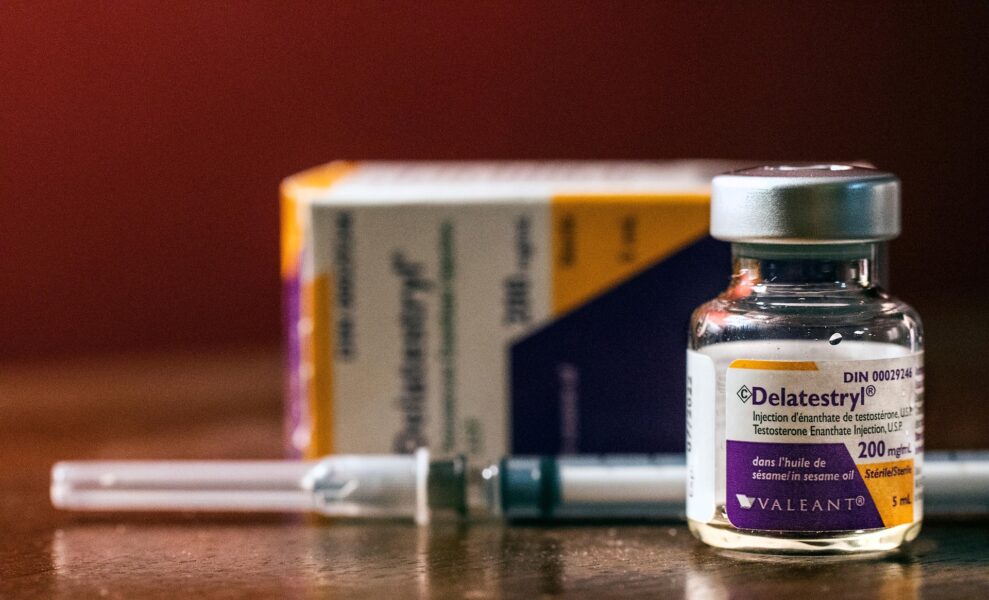
The NHS reports that the use of weight-management drugs has surged by almost 900% from 2020 to 2025 and, whilst proven to be beneficial to balance blood sugar levels for obese individuals with Type 2 diabetes, a substantial portion of the demand is driven by aesthetic use. Similarly, testosterone supplements, normally prescribed to older individuals with clinically low levels of the hormone, are becoming a crucial part of the everyday fitness routines of younger men seeking quick fat loss and muscle gain. Using testosterone for gym performance has been widely labelled as ‘testosterone-maxxing‘. This phenomenon is gaining alarming traction across multiple digital platforms, fuelled by panic surrounding perceived ‘low T’. Influencer marketing frames normal experiences, such as stress or lower libido, as signs of a testosterone deficiency that call for medical intervention, reinforcing body image anxieties for young men through narrow and harmful ideals of masculinity.
The NHS reports that the use of weight-management drugs has surged by almost 900% from 2020 to 2025…
Private virtual clinics have played a massive role in normalising weight-loss drugs for everyday use, allowing many to bypass traditional medical channels. Nine in ten UK users in early 2025 bought these drugs privately. However, this form of medication has traditionally only been prescribed to people at the higher end of the obesity range with additional health risks. Mass consumption has led to significant supply shortages, impacting access for patients with Type 2 diabetes. Furthermore, obtaining these drugs through private online channels without proper medical supervision could lead to dangerous health complications such as gallstones, pancreatitis, and even eye disorders.
Mass consumption has led to significant supply shortages, impacting access for patients with Type 2 diabetes…
Widespread testosterone consumption follows a similar pattern, as young men now frequently acquire the hormone via online pharmacies with minimal oversight, making testosterone overly accessible for non-medical usage. Healthcare professionals, such as Dr Jeff Foster, an NHS and private GP, describe this as “an absolute nightmare” and warn that unregulated use can cause adverse effects, both physical and psychological, ranging from cardiovascular issues, organ failure, and infertility to severe acne, increased aggression, and depression.
In today’s current image-obsessed social media culture, the rapid increase in demand for weight-loss drugs and synthetic hormones has caused an unsettling shift toward the medicalisation of body image. Used with careful medical supervision and by those with a strict clinical necessity, these drugs can improve lives. Used casually and incorporated into daily routines for aesthetic purposes, they risk causing more harm than good and turning ordinary human experiences into a pharmacological problem.
