


This seems to be the motto for creating art. In its many different forms, unrequited love has been felt by many, whether that be a failed relationship or one that never existed. Unlike art filled with fulfilment and reciprocity, the portrayal of unrequited love feels raw and unpredictable, but most importantly, it feels real.
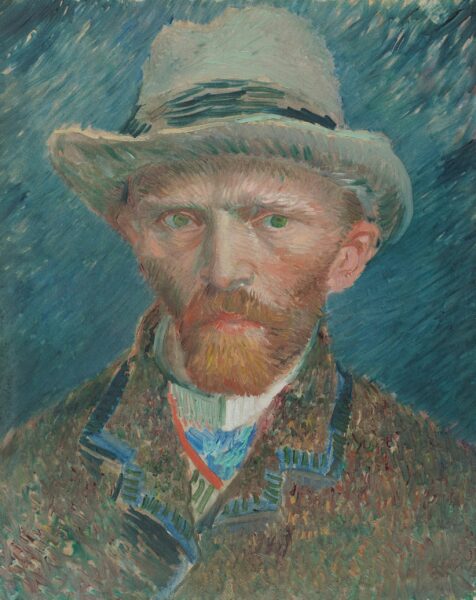
Vincent Van Gogh’s Four Withered Sunflowers reflects his experience of having his marriage proposals rejected by three different women. The sunflowers represent his erratic moods, at times cheerful and other times gloomy, arguably becoming Van Gogh’s self-portrait. Furthermore, the most popular interpretation of Henry Fuseli’s The Nightmare was given by Professor Horst Waldemar Janson, stating that it is the representation of unrequited love. The gargoyle is Fuseli, and the woman is his former lover who married another. When looked at together, these paintings illustrate the height of obsession stemming from unrequited love, the feeling of longing emanates from the artworks, and in creating this relatability, they become compelling.
“Tis better to have loved and lost/ Than never to have loved at all” – Alfred, Lord Tennyson
Whilst unrequited love is typically romantically driven, it can also encompass a lack of attention and approval. Rin’s fixation on Altan in RF Kuang’s The Poppy War can be interpreted as mistaking idolisation for romantic attraction. In addition, Altan never securely validates Rin, causing her to feel inadequate, ultimately driving her obsessive self-destruction. Similarly, Olivia Rodrigo’s song Lacy never distinguishes between wanting to be Lacy or be with her. This is the same paradox presented in The Poppy War, and Rodrigo sums up this feeling perfectly, saying, “I despise my rotten mind and how much it worships you”. This mythologises Lacy in the same way Rin mythologises Altan, causing both Rodrigo and Rin to become fixated on the idea of the person, rather than the actual reality of them.
Ultimately, unrequited love has made for brilliant works of art, because it blurs the lines between obsession and romance, in a way that reciprocated love cannot achieve in the same way, with potential relationships “never really having begun” enabling idolisation of the person and the prospect of what could have been.
