


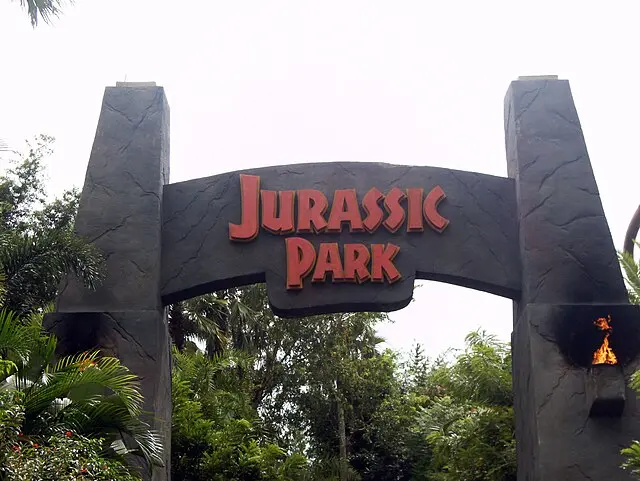
Most people have watched Jurassic Park, and if there’s one lesson in the franchise it’s the consequences of interfering with nature. The resurrection of extinct species in the movies introduced them into an oppressed world that had outgrown them and where they were constantly hunted. Despite this being a dystopian fiction, the modern age comes closer to this scary reality each day.
The CEO of Colossal Biosciences, Ben Lamm, dismissed the franchise as a “dystopian movie about hubris”, especially after receiving multiple comparisons between the films and his company. But there is a chance that he demonstrates the very hubris the film seeks to critique – that human arrogance in attempting to control nature through technology is dangerous and ultimately futile.
Colossal Biosciences is a biotechnology company that class themselves as a ‘de-extinction’ company. With funding from celebrities like Tiger Woods and Paris Hilton, it is valued at $10.2bn. It gained attention in 2025 for claiming to have resurrected the dire wolf, a species extinct for over 10,000 years. Although, this claim has been contested by many scientists. Vincent Lynch, for example, contests it from a philosophical point of view, stating that Colossal Biosciences are claiming, “if it looks like the thing then it’s the thing”, whereas there are many factors at play that prevent this new species from being a true dire wolf. There is no concrete data about their behaviour, they’re not being raised in packs, they don’t have the same diet, and they’re just not in the same environment they would have been in. From a scientific standpoint, it’s reductionist to ignore the external factors that determine species identity.
Against these claims, Colossal Biosciences argue that they have a ‘moral obligation’ as scientists to carry out this project. They assure that the de-extinct species will carry out the same ecological functions they once did, but one can’t help but question whether this is necessarily true. Ecosystems adapt to change and given it has been so long since they roamed the earth, these species would be invasive. In paleontologist Julie Meachen’s words, it “would be asking for disaster”.
Dr William Ripple warns that, most importantly, Colossal Bioscience’s work risks “diverting attention, funding, and public imagination away from the urgent work of conserving species and ecosystems that are still here and rapidly disappearing”. In a time when the US is already withdrawing from environmental treaties and attempting to halt protections of endangered species, Colossal Biosciences has the potential to be the last straw. Instead of focusing on ‘de-extinction’, the company should use their resources and funding to help species that are already struggling with repopulation and genetic diversity rather than attempting to bring back a species into an environment no longer fit for them.
