


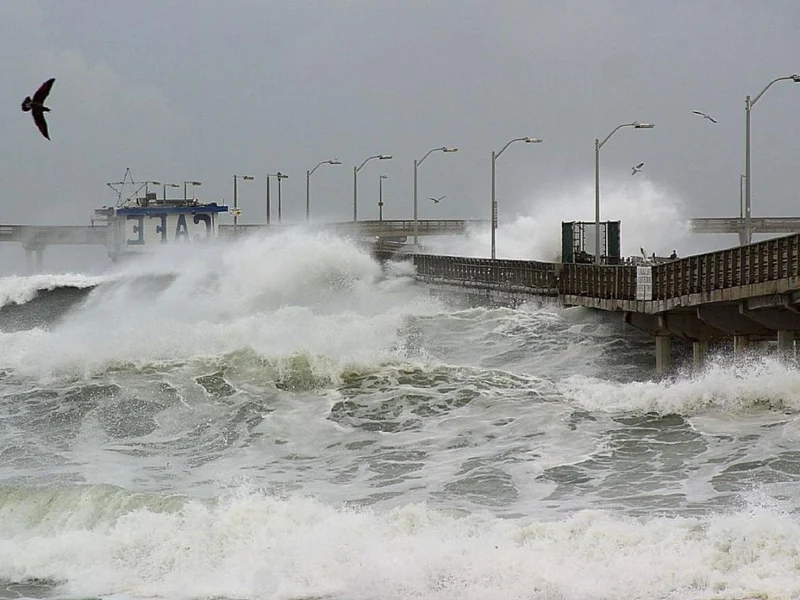
You may not have heard of El Niño before, but it could have a noticeable impact on the weather we experience in the UK over the next few months.
This natural climate phenomenon occurs every two to seven years when unusually warm sea temperatures develop across the tropical Pacific Ocean. Normally, trade winds push warm water westwards across the pacific, but during El Niño these winds weaken and allow warmer water to move eastwards and release more heat into the atmosphere. This year’s El Niño is attracting particular attention, and the Met Office is warning that it could be the strongest event in living memory. Sea temperatures are expected to rise significantly above average (3-4C), increasing global temperatures and the likelihood of extreme weather in different parts of the world.
So, what does this mean for the UK?
The effects of El Niño are not always immediate, and they can vary significantly. The UK is more likely to feel its influence later in the year and into winter, with forecasts suggesting an increased chance of unsettled, wet, and windy weather during autumn. The exact impact remains difficult to predict, but previous strong El Niño events have been linked to changes in UK weather patterns, including increased rainfall and storms. There is also the possibility of colder conditions later in the winter. While this does not mean that Exeter is guaranteed a freezing winter, even a small change in temperatures could make a difference for students living in often poorly insulated university accommodation.
And then there is the less exciting, but probably more relatable, consequence: money.
A colder winter could mean turning the heating on more often, pushing up energy bills for students already dealing with the rising cost of living. Heavy rain and storms could also cause problems for travelling home.
Exeter is no stranger to flooding and weather-related disruption, with heavy rainfall previously causing flooding across the city and problems on the rail network.
Climate change also adds another layer to the situation. There is not enough evidence to say that climate change is directly making El Niño itself stronger. However, El Niño is now developing on top of a much warmer global climate, meaning its warming effect could be greater than it would have been in the past. While there is no need to panic at the thought of an ‘El Niño winter’, it is another reminder that changes happening thousands of miles away can eventually affect everyday life here in Exeter – from whether your train home actually turns up, to how much you spend keeping your student house warm.
