
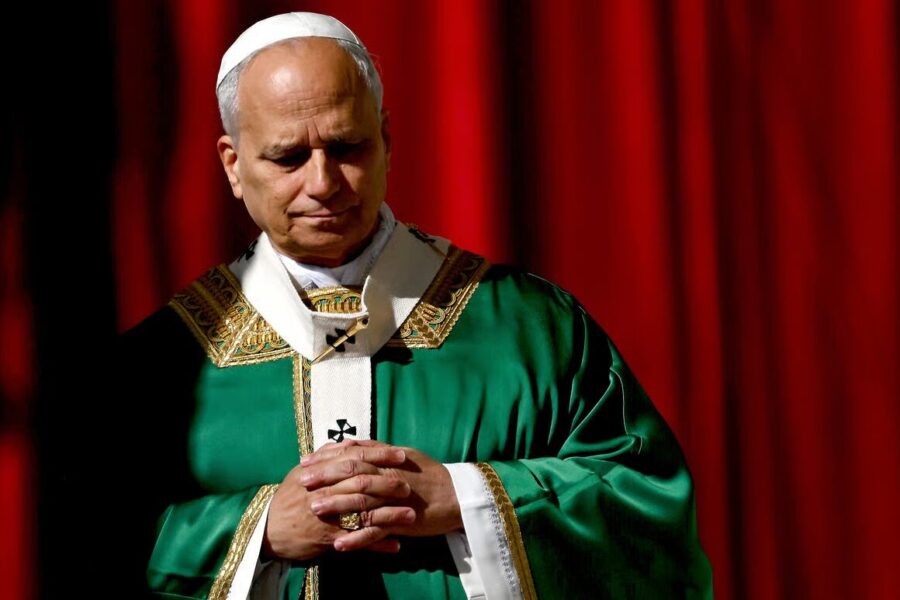
When even the Pope is calling out clickbait, you know journalism has a credibility problem. Whilst addressing members of MINDS International (the global network of news agencies), Pope Leo warned that upholding the standards of journalism are crucial in our digital age. His message wasn’t an attack on technology or digitalisation, but a call to responsibility.
“This obsession with engagement has blurred the line between informing and entertaining the public.”
The Pope also praised individual journalists for the vital work in communicating global events to the public. A recent report by Reuters, showed this in the Pope’s reference to the wars in Ukraine and Gaza, claiming that “every day, there are reporters who put their lives at risk to inform people about what is really happening,”. However, he was heavily critical of news agencies pushing certain stories and retracting others based on what will generate a profit, accusing them of deploying ‘clickbait’. In order to search for the truth, users must overcome clickbait online. Ads aren’t just annoying for everyone, they’re corrosive of the truth. This obsession with engagement has blurred the line between informing and entertaining the public.
Similarly, studies on media trust such as the Reuters Institute digital news report (2024) found that less than 40% of people now say they trust the news outlets “most of the time”, showing how clickbait-driven erosion of news coverage integrity is already damaging journalism’s reputation. These warnings reflect a growing global unease with profit-driven journalism, where flashy and bold headlines overshadow an article’s substance.
In a post-truth era, where AI preferences are taken advantage of by algorithms, Pope Leo called into question the use of AI among the threat to public information. Rather than critiquing AI itself, the Pope asserts that it is more important to consider “who uses it and for what purposes?”, again lecturing news agencies on their moral duty to provide whole truths to the public. As audiences are becoming more media-literate, it is important to question an article’s sources and relevance before clicking.
Indeed, Pope Leo has sermon’d a wake-up call to an industry losing its moral compass. If agencies with political agendas mislead the public and “seek to create divisions in order to rule by dividing,” only societal fears and tensions arise. Clickbait may seem trivial but it feeds into a larger crisis of trust in democracy. Ultimately, journalism’s survival in an emerging digital age depends not on chasing clicks, but on earning trust through authenticity.
