


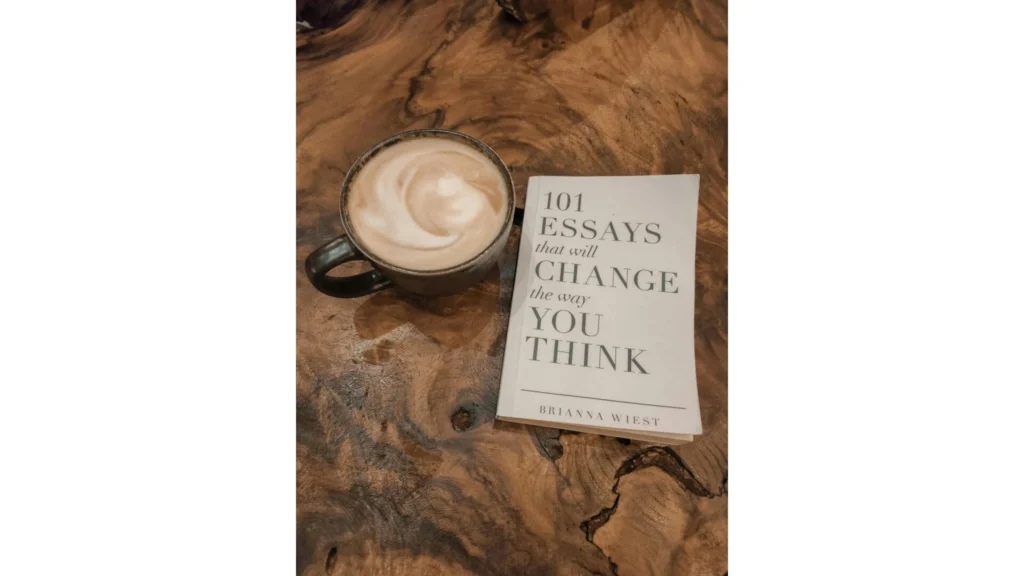
Everyone loves a bullet point list that tells them, step by curt step, exactly what to do. Whether you’re stressed, lost, or stuck in a crisis with no obvious solution—and university students are usually operating in all three at once—nothing is more appealing. So, you turn to a self-help book. Immediately, you’re told to wake up an hour earlier in the morning, take a swift five-minute cold shower before repeating ten to fifteen one-size-fits-all affirmations in the mirror. Oh, and all of this before 5 am.
In my slightly cynical opinion, these ‘healing’ rituals don’t do much. You’re still stressed. Except now you’re stressed, tired, and cold. Plus, probably feeling a little bit insane, talking to yourself alone in your bathroom, as you are.
Self-help books are advertised as DIY therapy, but truthfully, they boil down to the blunt, generalised advice of a ‘tough love’ conversation with someone who has better things to do. Usually, these books will force you to look at your habits, especially the bad ones, and change them. Additionally, if you’re still not able to get out of your rut, they advise you to suck it up and get over yourself.
I don’t think they’re all bad. The principle makes sense, and the idea that even just one desolate person could find their last-hope solution in the pages is an inspiring concept. It’s the commercial format I take issue with. Bullet points might be well placed in a 5-step mug brownie recipe, but life advice should not be so easily dished up. We are simply too complex and too different to condense ‘life-altering’ advice into 200 pages, sell it to 40 thousand people, and expect them all to have the same transformative results.
So, I don’t believe that we may truly change and learn from simple lists. I think we often learn from people. Not only introspection within, but the kind of introspection that forces us to look outward. From connecting with people who show us new parts of the world and ourselves that we wouldn’t have otherwise uncovered. It is easy to feel as though we are done with growing and learning upon reaching adulthood. We are baked bread, needing no more time in the oven. But there is always room to expand your experience and wisdom. Improving your relationship to who you are is done by finding little parts of that self in others. The obvious way to find this awareness is to be around other people. But given that this is not always possible, another good way to explore this outer meaning is through reading classic literature.
Rather than maximising our day into bite-sized habits that categorise the human experience like a neat-freak’s spice drawer, we should instead see beauty and expansion in every part of our messy, lawless minds.
Fiction books are a one-way conversation into another person’s mind, without needing to get to the deep questions and meaningful topics that require five rounds in the pub to reach. The kicker is that the deepest insights come from perhaps the ‘least’ accessible books. It might take time and effort to comprehend something as dense as Dostoevsky. However, the comfort that accompanies the act of relating to the same thing a two-hundred-year-old fictional character is experiencing cannot be understated.
The human psyche differs from person to person, each having their own subjective experience. But some echoes span entire generations. Diluting these similarities into easy-to-consume cookbook-style guides to existing is, I believe, nothing more than a money grab that feeds off insecurities. Not only do classic books explore the same emotions we feel in this century (albeit arising from different scenarios), but they also don’t frame everything as a productivity hack. John Steinbeck’s East of Eden, for example, deals with the inherent flaws in the human condition (unlike self-help books, this isn’t sitting in bed for more than three minutes in the morning) but demonstrates how we can ultimately control our own fate. We are encouraged to see longing as a form of love in Dostoevsky’s White Nights and find dignity in enduring disappointment in John Williams’ Stoner. Rather than maximising our day into bite-sized habits that categorise the human experience like a neat-freak’s spice drawer, we should instead see beauty and expansion in every part of our messy, lawless minds.
