


Diplomatic immunity is the right enjoyed by diplomats and their families while abroad. This set of rights is not simply another perk of being a diplomat; rather, it plays another role entirely: ensuring the safety of foreign diplomatic missions. This status quo allows countries to develop trade relationships, maintain workforce stability, and ensure mediation if relationships suddenly deteriorate. Despite these benefits, host countries have to deal with odd side effects, such as being able to fine, tow, but never search embassy cars. No Parking ticket enforceability is also something that hosting states have to deal with. Yet states did not always hoard millions of unpaid parking tickets: diplomatic immunity has developed from one innately human need: warfare. It is this phenomenon that has allowed diplomatic immunity to be so important to international relations, especially when examined through the lens of time.
The early concept of diplomats did not include permanent missions, nor did it include government departments in charge of those missions. As such, it was common for envoys to be killed even before Roman law spread, with envoys in the Fertile Crescent ending up kidnapped and killed. In Rome, envoys were killed if they opposed lobbying of powerful parties. The fact that the envoy’s mission objective had to be disclosed did not help at all. Despite this, the tribute carried across the many Roman provinces was untouchable. The modern-day concept of diplomatic mail being untouchable.
The Byzantines protected their diplomats with more enthusiasm. A government ministry provided them with reports on areas of their posting, and private companies were given the green light for the first time in history, allowing their employees to procure information while being protected by Constantinople. However, the successors of Rome had serious security issues and decided to use envoys as hostage leverage in negotiations, making diplomatic missions last for more than several years, and taking away from the diplomats’ safety. The vastness of the Byzantines made them a step closer to the permanent missions and relations observed today. The Byzantines continued accepting non-sovereign envoys, something which is similar to contractors paid by an embassy in modern day.
By the time of the Crusades, many states, even the wealthy ones, were in debt following the constant losses in the Holy Land. The Knights Templar acted as an independent courier/ diplomacy service for hire. This shows how desperate states can get when they can’t protect their citizens. The Templars were immune to search; however, due to their status as knights of religious orders, not as envoys of a particular nation.
A breakthrough was achieved by the Mongols later, where envoys were to be respected, or host nations risked being erased from existence (Mongol light cavalry was a threat for many nations starting in the late 12th century). While not a ratification in the modern sense, host nations agreed to accept and even guard the Mongol emissaries. Additionally, during the Mongol reign, certain bodies were exempt from taxes, proving important in Mongol governance of certain provinces. If I am to speculate, this may have been the motivation behind the modern tax exemption provision in the VCDR [1].
Finally, a document, authorising diplomats to conduct diplomatic business on behalf of the Khan was issued: The jarligs. These laid the foundation of the diplomatic mandate, i.e., the sending state providing protection in return for agents promoting its interests.
During the late medieval period (Late 15th to early 16th centuries) the groundwork for modern multilateral relations was laid. This started from the physical refuge of a diplomat in a chancery (the office of the embassy acquired by the sending state). It continued to include the persona non grata remedy, the only way a host state can remove a diplomat during peacetime. (Yet Italian city-states still endangered diplomats by refusing to evacuate them during wartime). Lastly and most crucially, the residence of the diplomats also became inviolable, which is still the case in our modern world. A fun fact to add is that often the chancery was given to trade delegations, as was the case in Muscovy with the first UK embassy. It was said that the flag followed the trade.
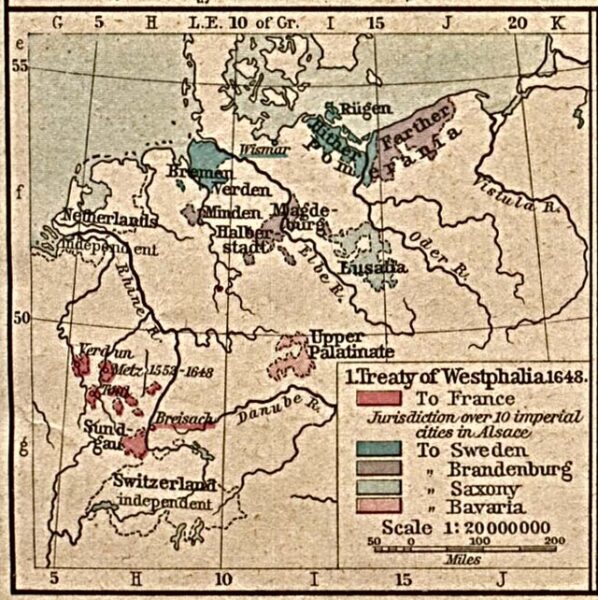
The Post-Westphalia world order[2] saw treaties binding on many nations, even without their consent. The Congress of Vienna and the Treaty of Versailles are examples. In general, the 19th to early 20th centuries saw the engagement of diplomats in war, often without their consent. This created issues, such as the post WW1 demands of prosecution of German ambassadors for war crimes. Challenging the traditional concept of immunity to host country jurisdiction (demands were made by France). It is important to mention that this event allowed for the law to develop further, that is, international criminal jurisdiction.
And now we reach the modern understanding of diplomatic immunity. This understanding rests on 3 main documents. The VCDR, VCCR, and the Havana Convention of 1928.
All three of these helped establish the movement of diplomats, their relation to open conflict, their relation to multinational business, neutrality in times of conflict, and their relation to civil lawsuits.
I think it is safe to say that, despite the often questioned benefits, the protection and authority that immunity provides are crucial to modern diplomacy.
In the end, regardless of your stance on immunity, human history has shown that it is an effective way to ensure development and cross-cultural interaction.
[1] Vienna Convention on Diplomatic Relations 1961
[2] The Treaty of Westphalia 1648 dictated how most nations should interact with each other during peace time, and how geographical size does not impact diplomatic protections
