


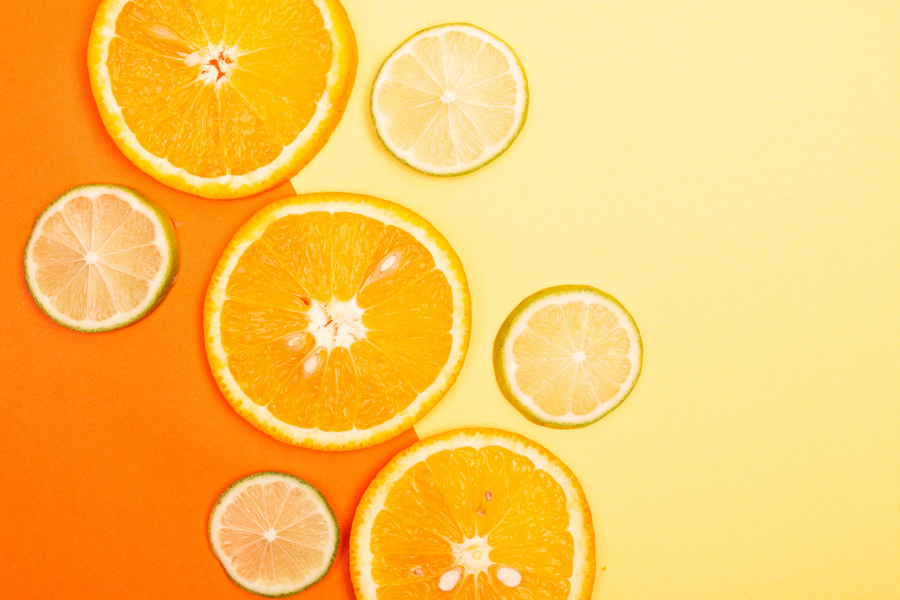
With freshers’ flu season in full swing, we may be tempted to fall into marketing promises of a ‘boosted’ immune system, particularly through a range of brightly-coloured beverages. However, a £3 ginger shot, turmeric latte or orange juice may not be the holy grail you think it is.
With vitamin c thought to be great for our immune system, less than 0.1 percent of research papers about immunity mention vitamin c, signaling it may be time to swap the tropicana for something more effective.
Similarly, evidence on the benefits of turmeric is scarce, and the benefit of ginger is only effective when consumed in adequate amounts, most effective when eaten fresh.
Instead, studies show zinc to be a more effective prevention. A 2013 review found that 75mg taken daily within 24hrs of the first signs of a cold significantly reduces its duration, as opposed to those who took the placebo drug instead.
In terms of diet, eating plenty of whole foods, 30g of fibre per day and a range of probiotics can help prevent low immunity. Foods such as kimchi, kefir, and natural yoghurt are great probiotic sources. During COVID-19, research on almost five hundred thousand people found those taking probiotics or eating fermented food regularly had less severe covid-19 symptoms than those taking vitamin C, zinc, garlic or nothing at all.
Eating plenty of whole foods, 30g of fibre per day and a range of probiotics can help prevent low immunity.
Most surprisingly, however, gardening has been linked to improved immune health. The beneficial bacteria from soil transfers from our hands to our gut, and is linked to better immunity. Perhaps your derelict uni garden is worth some tlc after all.
Regular moderate physical exercise has also been evidenced as one of the most effective ways to boost immunity. Short bursts of high intensity movement, with short recovery periods, in fact, does the opposite.
And perhaps our mums are right when their only response to a picture we send them is “you look tired”. A nightly session of seven to nine hours sleep is recommended as beneficial to immunity, with quitting both smoking and vaping recommended also.
Perhaps the most annoying advice for those of us with constant looming deadlines is to avoid long-term stress. Professor Daniel Davis, Immunologist at Imperial College London, advises that when chronic stress keeps cortisol levels high, our signaling pathways are impaired, weaking our immune system. This makes us more susceptible to infections and autoimmune disease, as well as reducing our vaccine response.
Physical exercise, managing stress levels, and getting enough sleep are also beneficial for immunity.
Overall, being consistent is key. Evidently, a daily zinc capsule, enough sleep or a splash of kefir in your morning yoghurt bowl will do more for you than a one-off mojo shot ever will.
