


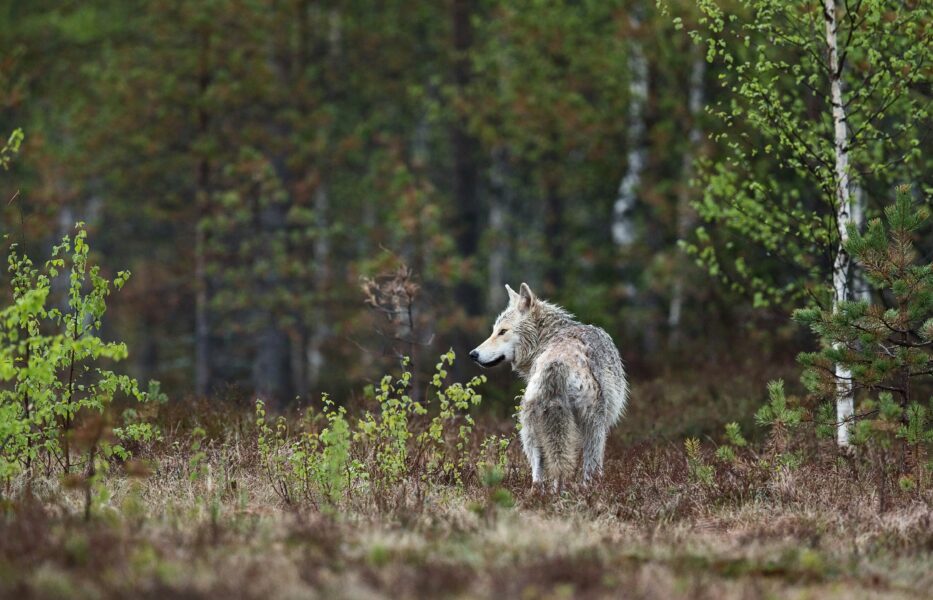
Wolves are slowly repopulating Denmark. In 2017, a female settled in the west of Jutland and since then the population is estimated to have grown to over 30. This year, Prime Minister Mette Frederiksen has raised concerns that the growing grey wolf population is tiresome to smaller local communities, adding that further regulation is needed. Moreover, reports from the Danish Environmental Protection Agency indicate a rise in wolf attacks on livestock, as the rate of incidents has increased dramatically from 32 attacks in 2022 to 57 incidents in 2023.
Despite the negative impact on farming due to attacks, wolves still hold the potential to improve Denmark’s biodiversity. Yellowstone National Park in the United States reintroduced wolves in 1995. Since their arrival and stabilisation back into the ecosystem, Yellowstone has flourished. These 500 wolves have caused a trophic cascade of ecological change, increasing beaver populations and improving willow stands as elk are kept on the move. Wolves are also food distributors as they help keep elk populations down. This not only benefits scavenger species but also fellow herbivores.
The return of wolves reintroduces a keystone predator to Denmark’s ecosystems. Wolves help regulate populations of large herbivores, particularly roe deer and red deer, which in turn reduces overgrazing in forests and open areas. Similarly to Yellowstone, they also offer increased biodiversity and benefit many scavenger species and predators. However, Danish farming systems are not designed to deter wolves, meaning their sheep are largely defenceless against these predators. While actual wolf attacks on livestock remain relatively rare, they have prompted fear and economic concerns among farmers. Compensation programs and preventive measures, such as electric fencing and livestock guardian dogs, are increasingly being promoted to reduce conflicts.
The return of wolves reintroduces a keystone predator to Denmark’s ecosystems
The return of wolves to Denmark may serve as an interesting case study into rewilding and coexistence in Europe. It highlights the ecological benefits of restoring natural predator-prey dynamics while also demanding thoughtful management to balance environmental goals with the needs of rural communities. Though not currently economically beneficial, the return of wolves may be more positive than initially assumed.
