


After the UK’s hottest summer since 1884, a farm in Cambridgeshire has made history by producing Britain’s first successful rice crop. Craig and Sarah-Jane Taylor, two farmers from Ely, Cambridgeshire, have been working with the UK Centre for Ecology and Hydrology (UKCEH) to grow this crop. The trial aims to see whether rice, which is traditionally grown in tropical and subtropical climates, can be successfully cultivated in the UK, a temperate climate.
The lead scientist for the project at UKCEH said they “hope to monitor the site over the coming years to assess the long-term viability of rice production in the UK.”
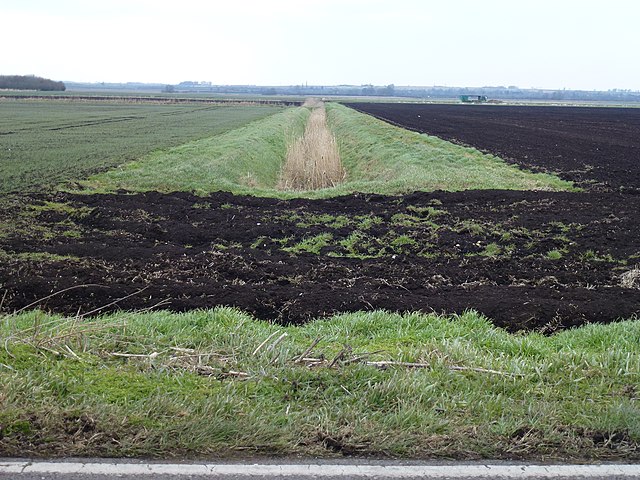
Located in the East of England, the Cambridgeshire Fens are a cornerstone of British food production. The region accounts for one-third of the UK’s vegetable output and one-fifth of its total crops, contributing around £3 billion to the local economy. Vegetables such as lettuce, and crops like wheat are particularly prevalent. However, intensive agriculture practiced since the 17th century has reduced the Fens from 150,00 hectares to just 24,000, threatening the future of agriculture in the area.
The possibility of a successful rice crop in Britain is significant as climate change is expected to profoundly affect crop production. Most UK crops are adapted to the temperate climate, so suffer and produce smaller yields after experiencing heat stress and drought conditions. These hotter conditions, though less suitable for crops like wheat, are ideal for rice, which has an optimum temperature of roughly between 20°C and 35°C.
The possibility of a successful rice crop in Britain is significant as climate change is expected to profoundly affect crop production.
As Britain’s annual rainfall increases, rice’s ability to thrive in waterlogged soils gives it an additional advantage over traditional crops that suffer in these conditions. This adaptation could also help rice production to protect the soil of the Fens because where traditional crops require drainage that degrades peat, releasing greenhouse gasses, rice preserves the wet conditions necessary for peat.
Rice is not the only crop that could benefit from Britain’s changing climate. UKCEH scientists predict that by the end of the century, the UK’s climate could be ‘suitable for new produce’ which may see some fruit and vegetables like chickpeas, soybeans, grown domestically. Trials like this are therefore important to help understand what sustainable agriculture might look like in a warmer world.
Trials like this are therefore important to help understand what sustainable agriculture might look like in a warmer world.
The importance of such innovation was clear during recent global events. The COVID-19 pandemic and Russia’s illegal invasion of Ukraine exposed the UK’s heavy reliance on food imports, leaving supermarket shelves empty. A recent report by the Department for Environment, Food and Rural Affairs (DEFRA) stated that the country remains “highly dependent on imports,” which has renewed calls from the National Farmers’ Union and others to strengthen domestic food security. The success of British rice could pave the way for further diversification, helping the UK become more self-sufficient while adapting to climate change.
