


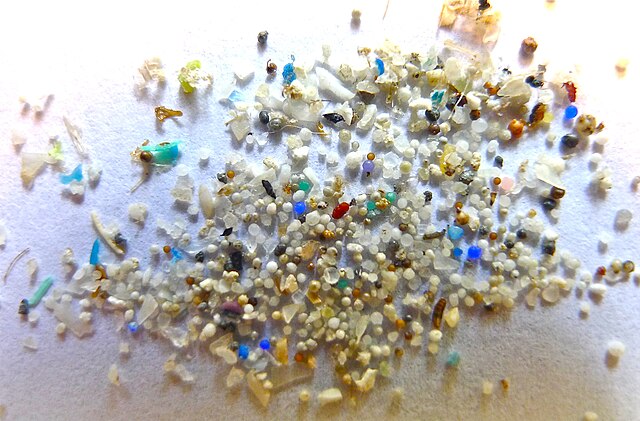
In a world where 200,000 microplastic particles found in your blood is considered low, we begin to wonder how these particles are meddling with our bodies and minds. Linda Gebbes, a journalist for the Guardian had her blood tested for microplastics, with a result of 40 per millilitre of blood extrapolated to an estimated 200,000 particles in her bloodstream. This was way below the average for average of over 1 million for humans in 2025. So, how do these microplastics enter our bodies?
Humans ingest microplastics through eating food stored and heated in plastic containers, toothpaste, and teabags containing micro and nanoplastics, just to name a few examples. Scientists have begun to research the potential effects upon a person’s physical health from having these particles in the bloodstream, with rodent studies demonstrating that microplastics are incredibly harmful to major organs, such as livers, stomachs, and lungs, in addition to the reproductive system. This is becoming increasingly troubling as in our daily lives we are using more and more plastic products – packaging, plastic cutlery, water bottles and lunch boxes. One report, completed in 2025, found that humans ingest 68,000 microplastics daily, just from breathing the air we live in. This astonishing statistic emphasises how we are quite literally surrounded by the threats of microplastic particles.
One report, completed in 2025, found that humans ingest 68,000 microplastics daily, just from breathing the air we live in.
Microplastics pose a risk to our physical and reproductive health, and since 2016, the concentration of microplastics found in the brain has increased by 50%, sparking an interest into the dangers of microplastics upon mental health. Scientists have discovered a correlation between dementia patients and the number of microplastics found in the olfactory bulb in the human brain. Whilst this does not necessarily signify that microplastics increase the likelihood of dementia, it could mean that dementia patients have a higher risk of retaining microplastics within their brains. Overall, it is not good news, and raises concerns within the scientific community and stresses the importance of researching the potential impacts upon mental health conditions.
Scientists have discovered a correlation between dementia patients and the number of microplastics found … in the human brain
In the meantime, we should focus on how to reduce our microplastic ingestion. Reducing the consumption of ultra-processed foods (UPFs) is one key way highlighted in an article published by Vibrant Wellness. The 50% rise in microplastics found in the brain parallels the growing consumption of UPFs – such as plastic packaging and the industrial processes of manufacturing food products, which introduces microplastics into our diets. Both UPFs and microplastics are known to induce oxidative stress, which increases the risk of neuropsychiatric disorders through nerve cell damage. Whilst this data is not directly from human-based research, it does put forward the argument that we should be more concerned with what we ingest, and not be concerned only with our physical health, but also potential mental health risks, both currently in depression or anxiety, and in future risk of dementia.
