
With the rising cost of living and university students eating “struggle meals”, food has turned
into a fashion accessory rather than one of necessity. Using food as a commodity is nothing
new, with more than 600 artworks featuring food from Egyptian, Roman, and Renaissance
artworks, to now our online feeds. The rebranding of food has gone from a need to a want,
at a time when food prices have risen. Food is now seen as a status symbol, just like the
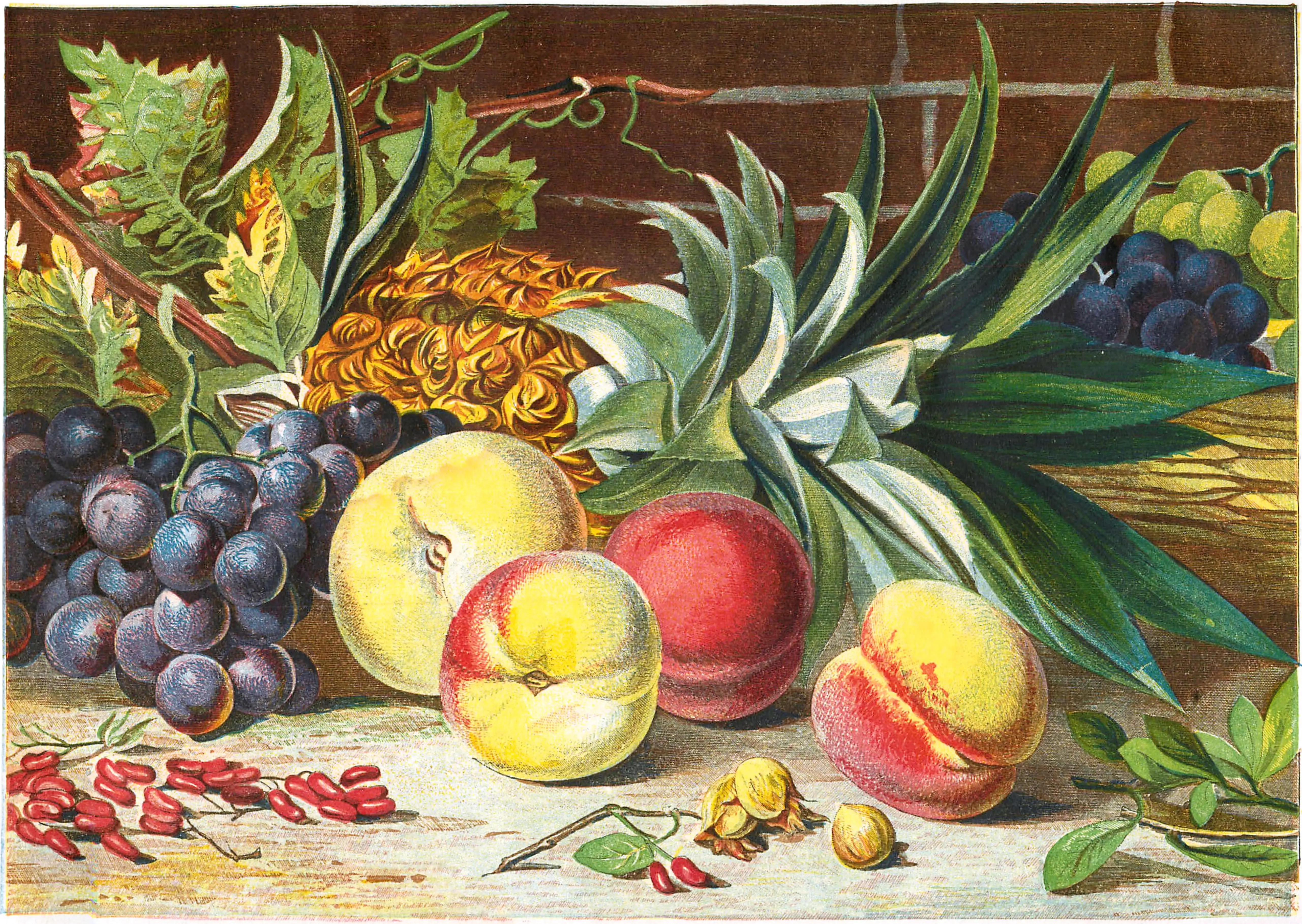
Renaissance banquets or the 16th and 17th centuries, where Pineapples were seen as a
symbol of prosperity, with individuals even renting them out for parties to show off their
wealth and access to global trade.
Recently, we have seen a rise in brands such as Loewe transforming a tomato meme into a
line of leather bags and candles and celebrities such as Hailey Bieber carrying a grocery
shop as marketing for a collaboration with Fila. With makeup trends called glazed doughnut
skin and other online aesthetics, such as latte girl make-up, cinnamon cookie butter hair, and
blueberry milk nails, it seems like we are dominated by a hunger for indulgence and in a
“treat yourself” climate, despite being broke in our early 20s. Along with luxury makeup
brands like Laniege and Glossier, they both used food-themed marketing to promote their
Glaze Craze Tinted Lip Serum and Black Cherry Collection.
The food trend has gone beyond the consumption of food, but rather of preservation. Using
food as an accessory goes beyond the luxury brands, but rather us, the consumer, seen
through the $20 Erewhon smoothie trend, to pictures of £5 matcha or niche foods such as
the series of M&S exotic fruits, featuring Rambutan and Mangosteen. Demonstrating where
consumer habits are heading, in a world where money is more valuable than ever,
supermarkets need to provide curation, scarcity and novelty to drive consumers, going
above and beyond selling drinks and food, but curiosity and a taste of the unexpected and
wealth.
This trend is also seen on the Exeter High Street with Typo launching a home goods line
with strawberries and pomegranate, clocks, calendars and bookends, forever preserving their
food luxury status. I confess, I love a lipglaze inspired by vanilla birthday cake or a
pomegranate-shaped calendar and even own some food-themed goods myself, but the
trend has turned into a “bragging” right or a subtle flex, taking us back to the 18th century
with our pineapples. Only those who have disposable income can buy those £5 coffees and
organic acai bowls. The BBC highlighted the contrast of other university students struggling
to afford to eat meals due to rising living costs.
This trend of romanticising and glamourising food is reminiscent of the saying “let them eat
cake” in a time when most people couldn’t afford bread and were still hungry for more,
financially and socially.