


Classic literature may initially seem intimidating or boring, for it often grapples with subjects that are not commonly encountered in modern times. However, the materials and subjects considered are often universal and repeat themselves, making it easier for us modern readers to understand works once the references are identified and familiarised with. But some references may still confuse a reader who is not familiar with the source material, which is why I have come up with three examples of material you should read before attempting the classics, and that will also help when reading modern-day literature.
- The Bible
Biblical references are prevalent in the classics, from the perspective of Satan written in Paradise Lost to the folly of playing God through creation seen in Frankenstein and The Strange Case of Dr Jekyll and Mr Hyde. No need to feel intimidated by the size of the text; for only some passages (mostly from the Old Testament) feature heavily in the literary canon.
- Epic Poetry – in particular Homeric Epic
Reading The Iliad and/or The Odyssey is arguably integral to understanding classical literature. The use of tragic heroes and all-consuming rage directly inspired the work of artists and authors alike, with The Odyssey inspiring the modernist classic Ulysses. These texts can also help readers to understand modern retellings of Greek Mythology, such as The Silence of The Girls and Circe. With the proliferation of retellings being published, an understanding of the original texts has never been more crucial.
- Shakespeare’s works
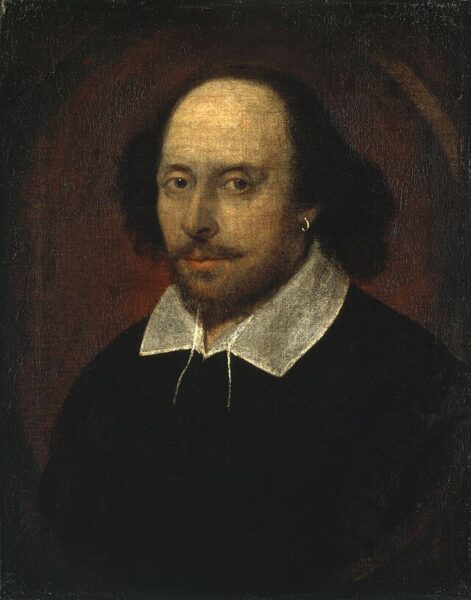
This isn’t as much of an ancient text like the other two, and Shakespeare was, in fact, inspired by epic poetry and biblical themes himself, but I would argue that Shakespeare is necessary in understanding the classics. Many of the dramatic plots, twisted characters, and windswept settings we see stem from a Shakespeare play. Charles Dickens, for instance, regularly quoted Shakespeare in his novels. I would personally suggest starting with a tragedy such as Macbeth, as it is arguably one of the most accessible Shakespeare plays. Modern-day books such as We That Are Young, a King Lear reworking set-in modern-day India, and If We Were Villains, a novel that uses multiple Shakespeare plays to shape friendships and incite murder, are perfect for getting deeper into the Shakespearean psyche.